





North Carolina: Where Mountains, Coastlines, and Opportunity Meet

From the breathtaking peaks of the Blue Ridge Mountains to the relaxing shores of the Atlantic coast, North Carolina offers a perfect blend of natural beauty and modern living. With welcoming communities, a strong economy, and endless outdoor and cultural experiences, it’s a place where both visitors and residents can truly thrive.

Click On Your County

Click on your county below to explore everything you need to know—local businesses, helpful resources, community highlights, and more. Each county page is a dedicated hub designed to connect you with what's happening in your region. Just choose your location and get instantly transported to your county’s guide. It’s the easiest way to stay informed, shop local, and discover what makes your community thrive.

Alamance

Alexander

Alleghany

Anson

Ashe

Avery

Beaufort

Bertie

Bladen

Brunswick

Buncombe

Burke

Cabarrus

Caldwell

Camden

Carteret

Caswell

Catawba

Chatham

Cherokee

Chowan

Clay

Cleveland

Columbus

Craven

Cumberland

Currituck

Dare

Davidson

Davie

Duplin

Durham

Edgecombe

Forsyth

Franklin

Gaston

Gates

Graham

Granville

Greene

Guilford

Halifax

Harnett

Haywood

Henderson

Hertford

Hoke

Hyde

Iredell

Jackson

Johnston

Jones

Lee

Lenoir

Lincoln

Macon

Madison

Martin

McDowell

Mecklenburg

Mitchell

Montgomery

Moore

Nash

New Hanover

Northampton

Onslow

Orange

Pamlico

Pasquotank

Pender

Perquimans

Person

Pitt

Polk

Randolph

Richmond

Robeson

Rockingham

Rowan

Rutherford

Sampson

Scotland

Stanly

Stokes

Surry

Swain

Transylvania

Tyrrell

Union

Vance

Wake

Warren

Washington

Watauga

Wayne

Wilkes

Wilson

Yadkin

Yancey

North Carolina: A Perfect Blend of Heritage, Natural Beauty, and Opportunity

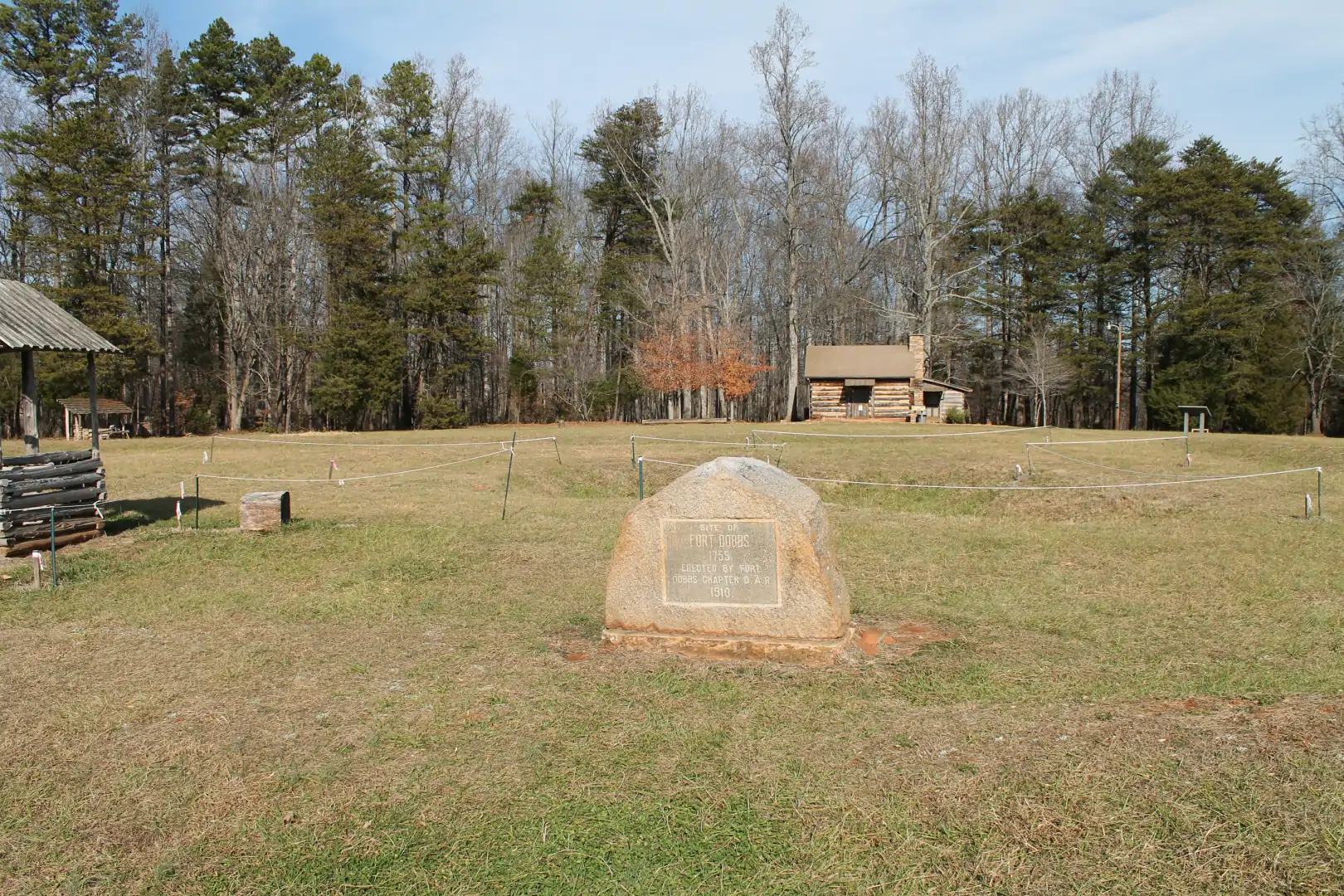
North Carolina carries a rich and layered history that continues to shape its identity today. From the earliest Native American settlements to the arrival of European explorers on the Outer Banks, the state has long been a place of discovery and growth. It played a vital role in the founding of the nation and later stood at the center of pivotal moments during the Civil War and the rise of American industry. Historic towns, preserved landmarks, and iconic sites like colonial villages and battlefields offer a living timeline that connects the past with the present, giving residents and visitors alike a deep sense of place and tradition.

Beyond its history, North Carolina captivates with its breathtaking natural beauty. The western part of the state is home to the Blue Ridge Mountains, where rolling peaks, scenic overlooks, and cascading waterfalls create an outdoor paradise for hiking, camping, and year-round adventure. Moving eastward, the landscape transitions into the Piedmont’s gentle hills before reaching the stunning Atlantic coastline, where sandy beaches and barrier islands provide a peaceful retreat. National parks, state forests, and miles of trails offer endless opportunities to explore, whether you’re seeking quiet solitude or active recreation.

The cultural fabric of North Carolina is just as vibrant as its landscapes. Communities throughout the state celebrate their heritage through festivals, music, food, and art, creating a welcoming and inclusive atmosphere. From lively downtown arts districts to local farmers markets and seasonal events, there is always something bringing people together. The state is also home to renowned universities and educational institutions that not only drive innovation but also foster a strong sense of community and pride. This blend of tradition and forward-thinking energy gives North Carolina a unique and dynamic character.

Quality of life in North Carolina continues to attract individuals and families looking for both stability and opportunity. The state’s economy is supported by a diverse mix of industries, including technology, healthcare, agriculture, and manufacturing. Growing cities offer modern amenities, job opportunities, and vibrant neighborhoods, while smaller towns provide a more relaxed pace of life without sacrificing convenience. Affordable living, access to quality healthcare, and a strong infrastructure make it an appealing choice for those considering relocation.

Whether you’re drawn by its history, inspired by its landscapes, or motivated by its opportunities, North Carolina offers something for everyone. It’s a place where scenic charm meets modern living, where communities are welcoming, and where the possibilities for adventure and growth are endless. For those seeking a destination to explore or a place to call home, North Carolina stands ready to welcome you with open arms.

Resources

North Carolina Department of Natural and Cultural Resources – (919) 814-6800 – [www.ncdcr.gov](http://www.ncdcr.gov)
Visit North Carolina Tourism – (800) 847-4862 – [www.visitnc.com](http://www.visitnc.com)
North Carolina State Parks – (919) 707-9300 – [www.ncparks.gov](http://www.ncparks.gov)
North Carolina Commerce – (919) 814-4600 – [www.commerce.nc.gov](http://www.commerce.nc.gov)
North Carolina Housing Finance Agency – (919) 877-5700 – [www.nchfa.com](http://www.nchfa.com)

Population

10,835,000

Founded

1789

Land Area (sq miles)

48,618

Water Area (sq miles)

5285

Largest City

Charlotte

Capital

Raleigh

North Carolina: Governance, Legislation, and Initiatives for Progress

North Carolina’s government is built on a balanced structure designed to serve its residents efficiently while encouraging growth and accountability. The executive branch is led by the governor, who oversees state agencies, implements laws, and guides statewide priorities. Alongside the governor, elected officials such as the lieutenant governor and council of state help manage key areas like education, agriculture, and public safety. The legislative branch, known as the General Assembly, is made up of the House of Representatives and the Senate, where laws are proposed, debated, and passed to address the needs of communities across the state. The judicial branch ensures those laws are fairly interpreted and applied, with a system of courts that range from local district courts to the state Supreme Court. Together, these branches create a framework that promotes stability, transparency, and responsive leadership.

Recent legislation in North Carolina reflects a focus on strengthening the economy, improving education, and enhancing quality of life. One major law has centered on expanding workforce development programs, aiming to connect residents with job training opportunities in high-demand industries such as technology, healthcare, and skilled trades. Another key piece of legislation has addressed infrastructure investment, directing funding toward road improvements, broadband expansion, and public transportation to better connect both rural and urban communities. Education reform has also been a priority, with laws designed to increase teacher pay, improve school funding, and support innovative learning programs that prepare students for future careers. In the area of public safety, new measures have been enacted to enhance emergency response systems and support law enforcement agencies with updated resources and training. Additionally, healthcare-focused legislation has worked to expand access to medical services, particularly in underserved areas, ensuring more residents receive the care they need.

Beyond legislation, North Carolina continues to implement forward-thinking initiatives that demonstrate its commitment to progress. Economic development programs actively attract new businesses while supporting local entrepreneurs, helping to create jobs and strengthen communities. Investments in clean energy and sustainability initiatives are positioning the state as a leader in renewable resources, while also preserving its natural beauty for future generations. Workforce training partnerships between community colleges and industries provide residents with practical skills that align with current job markets. At the same time, housing and community development programs aim to increase affordability and improve living conditions across the state. These combined efforts highlight North Carolina’s dedication to building a strong, inclusive future where residents have the opportunity to succeed and thrive.

Events: Your Cultural Calendar for North Carolina

North Carolina comes alive throughout the year with a vibrant calendar of festivals and events that celebrate its rich heritage, diverse communities, and love for music, food, and tradition. From the mountains to the coast, each season offers something unique that brings people together and showcases the spirit of the state.

One of the most iconic events is the North Carolina Azalea Festival in Wilmington, a springtime celebration bursting with color, garden tours, parades, concerts, and a lively street fair atmosphere. Visitors can stroll through blooming landscapes, enjoy local art, and experience one of the South’s most beloved traditions. North Carolina Azalea Festival – 5725 Oleander Drive, Suite B-7, Wilmington, NC 28403 – (910) 794-4650 – [www.ncazaleafestival.org](http://www.ncazaleafestival.org)

In the heart of the mountains, the Grandfather Mountain Highland Games transports guests into a world of Scottish heritage with traditional music, athletic competitions, and cultural exhibits. Bagpipes echo across the hills while clans gather to celebrate ancestry, making it a deeply immersive and unforgettable experience. Grandfather Mountain Highland Games – 2050 Blowing Rock Highway, Linville, NC 28646 – (828) 733-1333 – [www.gmhg.org](http://www.gmhg.org)

Food lovers flock to the Lexington Barbecue Festival, a mouthwatering event dedicated to North Carolina’s famous barbecue tradition. Thousands gather to enjoy slow-cooked barbecue, live music, craft vendors, and a lively atmosphere that reflects the state’s culinary pride. Lexington Barbecue Festival – 29 West Center Street, Lexington, NC 27292 – (336) 249-9814 – [www.barbecuefestival.com](http://www.barbecuefestival.com)

Music takes center stage at the MerleFest in Wilkesboro, one of the nation’s premier Americana and bluegrass festivals. With multiple stages, world-class performers, and a welcoming family-friendly environment, it’s a celebration of storytelling through music set against a scenic backdrop. MerleFest – 1328 South Collegiate Drive, Wilkesboro, NC 28697 – (336) 838-6260 – [www.merlefest.org](http://www.merlefest.org)

In the fall, the North Carolina State Fair in Raleigh draws massive crowds with its blend of agricultural exhibits, thrilling rides, live entertainment, and classic fair food. It’s a place where tradition meets excitement, offering something for all ages while highlighting the state’s farming heritage. North Carolina State Fair – 1025 Blue Ridge Road, Raleigh, NC 27607 – (919) 821-7400 – [www.ncstatefair.org](http://www.ncstatefair.org)

Along the coast, the North Carolina Seafood Festival in Morehead City celebrates the region’s maritime culture with fresh seafood, cooking demonstrations, live music, and waterfront activities. It’s a true taste of coastal living and a favorite gathering for both locals and visitors. North Carolina Seafood Festival – 412 Evans Street, Morehead City, NC 28557 – (252) 726-6273 – [www.ncseafoodfestival.org](http://www.ncseafoodfestival.org)

The Woolly Worm Festival in Banner Elk offers a charming and quirky experience where racing caterpillars predict the winter weather. Combined with crafts, food, and mountain hospitality, it’s a fun and uniquely local tradition that draws families year after year. Woolly Worm Festival – 185 Azalea Circle SE, Banner Elk, NC 28604 – (828) 898-8395 – [www.woollyworm.com](http://www.woollyworm.com)

Art and creativity shine at the Lazy Daze Arts and Crafts Festival in Cary, where hundreds of artists display handcrafted works ranging from pottery to paintings. Interactive exhibits, live performances, and a welcoming atmosphere make it a must-visit for art lovers and families alike. Lazy Daze Arts and Crafts Festival – 316 North Academy Street, Cary, NC 27513 – (919) 469-4061 – [www.lazydazeartsandcrafts.com](http://www.lazydazeartsandcrafts.com)

In Charlotte, the Festival in the Park transforms Freedom Park into a vibrant outdoor gallery with live music, food vendors, and art displays. It’s a celebration of community and creativity that reflects the city’s dynamic culture. Festival in the Park – 2400 East Boulevard, Charlotte, NC 28203 – (704) 338-1060 – [www.festivalinthepark.org](http://www.festivalinthepark.org)

The Yadkin Valley Grape Festival highlights North Carolina’s growing wine industry, offering tastings from local vineyards, live entertainment, and artisan vendors in a relaxed, scenic setting. It’s a perfect blend of sophistication and small-town charm that continues to grow in popularity. Yadkin Valley Grape Festival – 114 West Main Street, Elkin, NC 28621 – (336) 526-1111 – [www.yadkinvalleygrapefestival.com](http://www.yadkinvalleygrapefestival.com)

From lively fairs and music festivals to cultural celebrations and coastal traditions, North Carolina’s events calendar reflects a state full of life, creativity, and connection—where every gathering becomes an opportunity to experience something unforgettable.

Industries that Drive North Carolina’s Economy: From Farmland to Innovation and Clean Energy Leadership

North Carolina’s agricultural industry remains one of the strongest pillars of its economy, deeply rooted in tradition while continuing to evolve with modern practices. The state is a national leader in the production of sweet potatoes, poultry, pork, and tobacco, while also maintaining a diverse range of crops including soybeans, corn, and blueberries. Farming communities across the state contribute significantly to both local livelihoods and global food supply chains, with generational farms blending time-tested techniques with advanced agricultural technology. Agribusiness has expanded beyond the fields into food processing, distribution, and research, creating a broad economic ecosystem that supports thousands of jobs. Initiatives supported by agricultural extension programs and state-backed foundations help farmers improve efficiency, adopt sustainable practices, and remain competitive in a rapidly changing market. North Carolina’s commitment to preserving farmland while encouraging innovation ensures that agriculture remains not only a historical cornerstone but also a forward-looking economic driver. North Carolina Department of Agriculture & Consumer Services – 2 West Edenton Street, Raleigh, NC 27601 – (919) 707-3000 – [www.ncagr.gov](http://www.ncagr.gov)

Manufacturing in North Carolina has undergone a powerful transformation, shifting from traditional industries into advanced manufacturing and high-tech production while still maintaining its legacy strengths. The state is widely recognized for its furniture production, textile manufacturing, and tobacco processing, but it has also emerged as a hub for aerospace components, pharmaceuticals, and automotive parts. Major manufacturing corridors across the Piedmont region support both large-scale corporations and small specialized producers, creating a diverse and resilient industrial base. Workforce development programs, often supported by community colleges and state partnerships, ensure a steady pipeline of skilled labor ready to meet industry demands. Investments in infrastructure and logistics make it easier for businesses to operate efficiently, while innovation hubs and research parks foster collaboration between industry leaders and academic institutions. This blend of tradition and cutting-edge advancement allows North Carolina to remain competitive on both a national and global scale. North Carolina Manufacturing Extension Partnership – 1000 North Main Street, Suite 100, Greenville, NC 27834 – (800) 682-8889 – [www.nc-mep.org](http://www.nc-mep.org)

North Carolina is also making significant strides in renewable energy, positioning itself as a leader in clean energy development across the Southeast. Solar power has seen rapid expansion, with large-scale solar farms and distributed rooftop systems contributing to a growing share of the state’s energy portfolio. Wind energy projects, particularly along the coast, are gaining momentum, while research into emerging technologies continues to push the boundaries of sustainability. These initiatives not only reduce environmental impact but also create new economic opportunities, from construction and maintenance jobs to research and development roles. State-supported programs and clean energy incentives encourage businesses and homeowners to invest in renewable solutions, helping to lower long-term energy costs and increase energy independence. Foundations and partnerships focused on sustainability are driving innovation, ensuring that North Carolina remains at the forefront of the clean energy transition. North Carolina Sustainable Energy Association – 4800 Six Forks Road, Suite 300, Raleigh, NC 27609 – (919) 832-7601 – [www.energync.org](http://www.energync.org)

Historical Sites in North Carolina: A Journey Through Time and Legacy

North Carolina’s history is a powerful story of exploration, resilience, and transformation that stretches back centuries. Long before European settlers arrived, Native American tribes thrived across the region, building communities rich in culture and tradition. The state later became one of the earliest points of English colonization, with early settlements along the coast laying the groundwork for what would become the United States. From colonial struggles and revolutionary fervor to its role in the Civil War, North Carolina has consistently stood at the crossroads of pivotal moments in American history. Its towns, landscapes, and preserved landmarks reflect these layers of time, offering a tangible connection to the people and events that shaped not only the state but the nation as a whole.

As the years progressed, North Carolina evolved into a center of innovation and progress while still honoring its roots. The state witnessed the rise of agriculture and industry, the advancement of civil rights, and one of the most groundbreaking moments in modern history—the first powered flight. These milestones are preserved across a wide array of historical sites that invite visitors to step back in time. From coastal forts and colonial villages to mountain homesteads and iconic landmarks, North Carolina’s historical destinations provide both education and inspiration, making them essential stops for anyone seeking to understand the state’s enduring legacy.

Among the most significant sites is Historic Bath, the state’s oldest town, where visitors can explore restored homes and learn about early colonial life. Historic Bath State Historic Site – 207 Carteret Street, Bath, NC 27808 – (252) 923-3971 – [www.ncdcr.gov](http://www.ncdcr.gov). Along the Outer Banks, the Wright Brothers National Memorial marks the location of the first successful powered flight, a defining moment in aviation history that changed the world forever. Wright Brothers National Memorial – 1000 North Croatan Highway, Kill Devil Hills, NC 27948 – (252) 473-2111 – [www.nps.gov/wrbr](http://www.nps.gov/wrbr). In Wilmington, the Battleship North Carolina stands as a tribute to World War II service members, offering a detailed look at naval life and wartime history. Battleship North Carolina – 1 Battleship Road NE, Wilmington, NC 28401 – (910) 399-9100 – [www.battleshipnc.com](http://www.battleshipnc.com).

Further inland, Old Salem Museums & Gardens in Winston-Salem brings history to life through preserved Moravian buildings and interactive experiences that showcase 18th-century craftsmanship and culture. Old Salem Museums & Gardens – 900 Old Salem Road, Winston-Salem, NC 27101 – (336) 721-7300 – [www.oldsalem.org](http://www.oldsalem.org). In Raleigh, the North Carolina State Capitol stands as a symbol of governance and history, offering insight into the state’s political evolution. North Carolina State Capitol – 1 East Edenton Street, Raleigh, NC 27601 – (919) 733-4994 – [www.ncdcr.gov](http://www.ncdcr.gov). The Reed Gold Mine in Midland highlights North Carolina’s role in America’s first gold rush, where visitors can explore underground tunnels and try their hand at gold panning. Reed Gold Mine – 9621 Reed Mine Road, Midland, NC 28107 – (704) 721-4653 – [www.ncdcr.gov](http://www.ncdcr.gov).

In the mountains, the Thomas Wolfe Memorial in Asheville preserves the childhood home of the famous author, providing a glimpse into literary history and early 20th-century life. Thomas Wolfe Memorial – 52 North Market Street, Asheville, NC 28801 – (828) 253-8304 – [www.ncdcr.gov](http://www.ncdcr.gov). Fort Macon State Park in Atlantic Beach offers a well-preserved Civil War-era fort along with scenic coastal views, blending military history with natural beauty. Fort Macon State Park – 2303 East Fort Macon Road, Atlantic Beach, NC 28512 – (252) 726-3775 – [www.ncparks.gov](http://www.ncparks.gov). Bennett Place State Historic Site in Durham marks the location of the largest troop surrender of the Civil War, a moment that helped bring the conflict to a close. Bennett Place State Historic Site – 4409 Bennett Memorial Road, Durham, NC 27705 – (919) 383-4345 – [www.ncdcr.gov](http://www.ncdcr.gov).

Each of these sites, along with many others across the state, reflects North Carolina’s deep historical roots and enduring influence, offering meaningful experiences that connect the past with the present in powerful and unforgettable ways.

Educational Resources in North Carolina: A Hub of Innovation, Excellence, and Opportunity

North Carolina stands as a national leader in education, offering a dynamic blend of historic institutions, cutting-edge research universities, and accessible community college systems that serve students from all walks of life. The state is home to some of the most respected universities in the country, many of which are known for their groundbreaking research, strong academic programs, and contributions to innovation. The Research Triangle—anchored by Raleigh, Durham, and Chapel Hill—has become a global center for education and technology, where universities collaborate with industries to drive advancements in medicine, engineering, and business. Students benefit from a wide range of opportunities, including specialized degree programs, internships with leading companies, and access to state-of-the-art facilities that prepare them for competitive careers.

Beyond its flagship universities, North Carolina’s commitment to education is reflected in its expansive community college system and diverse private institutions, which provide flexible pathways for learning and workforce development. Programs in healthcare, information technology, advanced manufacturing, and the arts ensure that students can pursue both traditional academic tracks and hands-on career training. Many institutions are deeply connected to their communities, offering outreach programs, continuing education, and partnerships that support local economic growth. This combination of accessibility, quality, and innovation makes North Carolina an ideal place for students seeking both academic excellence and real-world experience.

The University of North Carolina at Chapel Hill, one of the oldest public universities in the United States, is renowned for its strong programs in medicine, law, and business, as well as its leadership in research and public service. University of North Carolina at Chapel Hill – 103 South Building, Chapel Hill, NC 27599 – (919) 962-2211 – [www.unc.edu](http://www.unc.edu). Duke University in Durham is globally recognized for its medical research, engineering programs, and prestigious law and business schools, attracting students and faculty from around the world. Duke University – 2080 Duke University Road, Durham, NC 27708 – (919) 684-8111 – [www.duke.edu](http://www.duke.edu).

North Carolina State University in Raleigh is a powerhouse for engineering, agriculture, and technology programs, playing a major role in innovation and industry partnerships throughout the state. North Carolina State University – 2101 Hillsborough Street, Raleigh, NC 27695 – (919) 515-2011 – [www.ncsu.edu](http://www.ncsu.edu). Wake Forest University in Winston-Salem offers a strong liberal arts education combined with nationally recognized programs in business, law, and medicine, known for its commitment to personalized learning and academic excellence. Wake Forest University – 1834 Wake Forest Road, Winston-Salem, NC 27109 – (336) 758-5000 – [www.wfu.edu](http://www.wfu.edu).

East Carolina University in Greenville is a leader in healthcare education, particularly through its medical and dental schools, helping to address healthcare needs across the region. East Carolina University – East 5th Street, Greenville, NC 27858 – (252) 328-6131 – [www.ecu.edu](http://www.ecu.edu). Appalachian State University in Boone is known for its focus on sustainability, education programs, and its scenic mountain campus that enhances the student experience. Appalachian State University – 287 Rivers Street, Boone, NC 28608 – (828) 262-2000 – [www.appstate.edu](http://www.appstate.edu).

The North Carolina Community College System provides affordable and accessible education through dozens of campuses statewide, offering workforce training, associate degrees, and continuing education programs that directly support the state’s economy. North Carolina Community College System – 200 West Jones Street, Raleigh, NC 27603 – (919) 807-7100 – [www.nccommunitycolleges.edu](http://www.nccommunitycolleges.edu). Together, these institutions create a powerful educational network that continues to shape North Carolina’s future while opening doors for generations of students.

Health & Safety

Health and Safety Resources for North Carolina: Supporting Strong, Safe, and Thriving Communities

North Carolina provides a comprehensive network of health and safety resources designed to ensure residents have access to quality care, reliable support systems, and essential emergency services. Across the state, leading hospitals and healthcare systems deliver advanced medical treatment, preventive care, and specialized services that meet the needs of both urban and rural communities. Major institutions such as UNC Health and Duke Health are nationally recognized for their excellence in patient care, cutting-edge research, and expansive hospital networks. These systems offer everything from primary care and pediatrics to highly specialized services like cancer treatment, heart care, and trauma response. In addition, regional medical centers and clinics play a critical role in expanding access, ensuring that residents across North Carolina can receive timely and effective care. Public health efforts are coordinated through the state’s health department, which provides vital information on disease prevention, vaccinations, and wellness initiatives that promote healthier communities.

Mental health services are also a central focus throughout North Carolina, with a wide range of programs dedicated to supporting emotional well-being and crisis intervention. Organizations such as NAMI North Carolina provide education, advocacy, and peer support for individuals and families navigating mental health challenges. Crisis hotlines and local counseling centers are available to offer immediate assistance, while ongoing therapy and support programs help individuals build long-term resilience. The state continues to invest in expanding access to mental health care, integrating services into communities, schools, and healthcare systems to ensure that support is both accessible and effective. These resources create a strong safety net that prioritizes mental wellness as an essential part of overall health.

Emergency preparedness is another key component of North Carolina’s commitment to safety, particularly given the state’s exposure to seasonal weather events such as hurricanes and severe storms. Residents are encouraged to stay informed through official emergency management channels that provide real-time updates, evacuation guidance, and preparedness tips. Seasonal health initiatives also promote flu vaccinations, routine check-ups, and wellness programs that help prevent illness and maintain community health. Local health departments and clinics regularly host vaccination clinics and educational outreach efforts, ensuring that residents have the tools and knowledge needed to stay safe throughout the year. By combining healthcare access, mental health support, and proactive emergency planning, North Carolina fosters a well-rounded approach to protecting and enhancing the well-being of its communities.

UNC Health – 101 Manning Drive, Chapel Hill, NC 27514 – (984) 974-1000 – [www.unchealthcare.org](http://www.unchealthcare.org)
Duke Health – 2301 Erwin Road, Durham, NC 27710 – (919) 684-8111 – [www.dukehealth.org](http://www.dukehealth.org)
Atrium Health – 1000 Blythe Boulevard, Charlotte, NC 28203 – (704) 355-2000 – [www.atriumhealth.org](http://www.atriumhealth.org)
North Carolina Department of Health and Human Services – 2001 Mail Service Center, Raleigh, NC 27699 – (919) 855-4800 – [www.ncdhhs.gov](http://www.ncdhhs.gov)
NAMI North Carolina – 309 West Millbrook Road, Suite 121, Raleigh, NC 27609 – (919) 788-0801 – [www.naminc.org](http://www.naminc.org)
North Carolina Emergency Management – 1636 Gold Star Drive, Raleigh, NC 27607 – (919) 825-2500 – [www.ncdps.gov](http://www.ncdps.gov)
North Carolina Immunization Branch – 5601 Six Forks Road, Raleigh, NC 27609 – (919) 707-5550 – [www.immunize.nc.gov](http://www.immunize.nc.gov)

Esse Quam Videri

This Latin phrase translates to “To Be Rather Than To Seem,” and it perfectly captures the spirit and character of North Carolina. Adopted in 1893, the motto reflects a deep-rooted value of authenticity, integrity, and substance over appearance. Rather than striving to simply look successful or impressive, the state embraces the idea of truly embodying those qualities through action, resilience, and genuine progress. This mindset can be seen throughout North Carolina’s history—from its role in shaping the nation during the Revolutionary War to its steady growth as a leader in agriculture, education, and innovation.

The motto also mirrors the character of its people and communities. North Carolina is not built on flash or pretense, but on hard work, strong values, and a commitment to doing things the right way. Whether in its small towns or growing cities, there is a consistent emphasis on honesty, community, and real achievement. It’s a place where traditions are respected, but progress is pursued with purpose, where businesses grow on solid foundations, and where individuals are encouraged to be genuine in who they are.

In many ways, “Esse Quam Videri” is more than just a motto—it’s a guiding principle that influences how the state presents itself to the world. It aligns with North Carolina’s balance of natural beauty, economic strength, and cultural depth, reminding both residents and visitors that what truly matters is not appearances, but the real, lasting value behind them.